
First Responder Psychotherapy at the Mind/Body Institute
Compassionate, Specialized Care for Those Who Serve
At the Mind/Body Institute, we understand the mental and emotional toll that first responders face on a daily basis. Whether you are a firefighter, police officer, EMT, dispatcher, or correctional officer your work often involves exposure to trauma, life-threatening situations, and chronic stress. Our therapy services for first responders in Ohio are designed to meet you where you are — offering a safe, confidential space to process experiences, strengthen resilience, and receive meaningful support.
Trauma-Informed Therapy That Gets It
We don’t just treat symptoms — we address the underlying impact of trauma, burnout, anxiety, depression, and moral injury common among first responders. Our team is trained in evidence-based approaches like:
- EMDR (Eye Movement Desensitization and Reprocessing) for trauma and PTSD
- Ketamine-Assisted Psychotherapy (KAP) for treatment-resistant depression, emotional numbness, or severe anxiety
- Mind-body integration strategies that support long-term recovery
We’re committed to honoring your service and helping you reconnect with yourself, your purpose, and your strength.
Discreet and Local Support You Can Trust
Located in Brunswick, Ohio, and serving first responders throughout Medina, Cleveland, Strongsville, and beyond, the Mind/Body Institute offers trauma-informed therapy for first responders that respects your privacy, your time, and your lived experience. No judgment. No pressure. Just experienced help from people who understand the cost of service — and how to help you carry it.

Experienced psychotherapists who have also walked the line
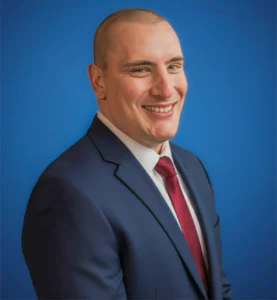
Derrick Martin
LPCC-S, CEMDR, NPT-C
Former Professional Firefighter/Paramedic & Police Officer
Trey Brock
LPC, EMDR
Former Professional Firefighter/Paramedic, current 911 Dispatcher
FAQ – Mental Health Services for First Responders at the Mind/Body Institute
1. Why is therapy important for first responders?
First responders are regularly exposed to high-stress, high-stakes situations that can lead to cumulative trauma, PTSD, anxiety, depression, and emotional burnout. Therapy provides a confidential space to process these experiences, develop coping tools, and prevent long-term psychological effects. Early intervention is not a sign of weakness — it’s an act of strength.
2. What makes your therapy services different for first responders?
Our clinicians are trained in trauma-focused and first responder-informed care, meaning we understand the culture, the language, and the unique stressors of your profession. We use proven methods like EMDR and KAP, which go beyond talk therapy to help you work through trauma at a neurological and emotional level — especially when traditional therapy hasn’t worked.
3. What is EMDR, and how can it help with trauma?
EMDR (Eye Movement Desensitization and Reprocessing) is a powerful therapy for processing traumatic memories. It helps “unstick” distressing experiences from your nervous system so they no longer trigger strong emotional or physical responses. For first responders with PTSD or flashbacks, EMDR can provide lasting relief without needing to relive every detail of the trauma.
4. How does Ketamine-Assisted Psychotherapy (KAP) help first responders?
KAP is an advanced therapy option for individuals who are struggling with treatment-resistant depression, emotional numbness, or trauma that’s hard to access through talk therapy alone. Ketamine temporarily alters brain activity, allowing you to access new perspectives and process difficult emotions with the guidance of a therapist. It’s safe, effective, and highly personalized.
5. Is therapy confidential, even if I work in law enforcement or fire services?
Absolutely. Your privacy is protected by law, and your participation in therapy is never shared with your employer or department unless you give written consent. At the Mind/Body Institute, we prioritize discreet, respectful care that supports your healing without judgment or exposure.