As a parent, there's no question that navigating the world of marijuana can be challenging. With growing numbers of states legalizing marijuana and “weed” being depicted as a benign means to relax, it can be difficult to know how to communicate about marijuana to your teenager. Fortunately, a recent, substantial study of over 463,000 adolescents …
As a parent, there’s no question that navigating the world of marijuana can be challenging. With growing numbers of states legalizing marijuana and “weed” being depicted as a benign means to relax, it can be difficult to know how to communicate about marijuana to your teenager. Fortunately, a recent, substantial study of over 463,000 adolescents published in JAMA Health Forum (link here) offers a stark view of the long term consequences of teenage marijuana use.
Below is a more detailed overview of what the science indicates, why the adolescent period is particularly susceptible to harm, and how marijuana is different today than it was in the past.
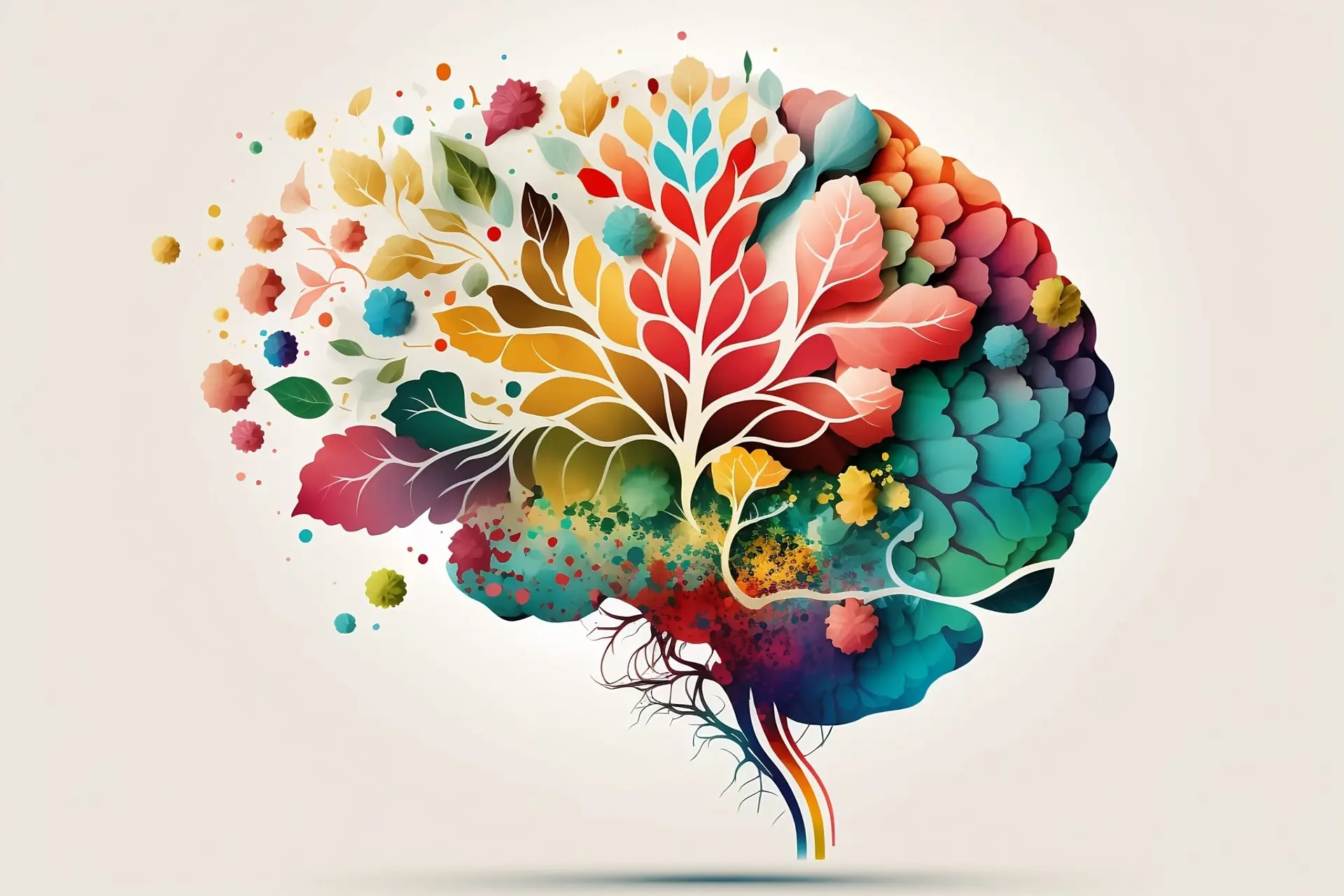
The “Under Construction” Brain
In order to comprehend why marijuana is potentially dangerous for a 15 year old and not dangerous for a 35 year old; we need to examine how the brain develops. From age 13 through 25, the brain goes through significant pruning and rewiring processes.
The Prefrontal Cortex: This section of the brain is responsible for decision making, controlling impulses and evaluating consequences. It is the last area of the brain to develop fully.
Endocannabinoids: The brain naturally produces endocannabinoids. They are involved in regulating stress, emotion and memory. THC (the psychoactive component of marijuana) hijacks this natural process. When a teenager uses marijuana he/she is essentially flooding his/her developing (and therefore extremely sensitive) endocannabinoid system with additional compounds which will result in permanent changes in how their brain processes emotions and reality.
What Are the Risks To Mental Health?
This research followed children for almost a decade. The results indicate that marijuana use is a red flag for four serious psychiatric conditions:
- Psychosis (2.19 times increase in psychosis risk): Psychosis is characterized by a loss of contact with reality. Hallucinations, extreme paranoia are examples. The study indicated that casual use of marijuana during the past year resulted in doubling the risk of a psychotic episode. Unlike an occasional bad trip, these episodes are clinical diagnoses requiring medical treatment.
- Bipolar Disorder (2.01 times increase in risk): Bipolar disorder includes periods of extreme emotional instability (manic episodes and depression).
Risk of being diagnosed with bipolar disorder remained consistent for users until their mid-20s. - Depression/Anxiety: There was a greater risk of depression/anxiety among teens who began using marijuana at younger ages (age 13-15). Some individuals believe that marijuana reduces anxiety while others think it increases anxiety. According to this study, marijuana use in teenagers appears to create a greater likelihood of being diagnosed with an anxiety disorder later.
This Is Not the Pot of the 1990s
Another barrier to communication between generations is the amount of THC present in current marijuana products compared to marijuana products available in the 1990s.
- THC Content: In the 1990s, the average THC content in marijuana was approximately 3 – 5%. In this study conducted in northern California, the average THC content was approximately 20%.
- Concentrated Products: Most teens today do not consume smoked flower. Teens typically consume marijuana via vapes, dabs or wax products. Concentrate products contain anywhere from 80 – 90 percent THC. The brain is unable to handle the intense amounts of chemicals produced by these products at its most fragile developmental stage.
Dispelling The Myths About Self Medication
Many assume that troubled youth self-medicate. Researchers argue that the drug isn’t causing the problem but rather is merely symptomatic of existing problems. The researchers examined this assumption within the context of this study. When researchers controlled for variables related to each participant’s family dynamics, socioeconomic status, and frequency of alcohol consumption; the relationship between marijuana and mental illness persisted.
More importantly, when researchers evaluated participants who had never been diagnosed with any type of mental illness prior to beginning marijuana use; those participants continued to experience a substantially increased rate of psychiatric disorders. This demonstrates that, too often, cannabis serves as a trigger rather than a manifestation of an underlying mental health issue.
Steps For Parents To Take Action
- The “Brain Health” Perspective: Instead of creating a moral or legal dilemma out of this topic; frame it as a brain health issue. Inform your teen that “their brain is currently undergoing its final stages of critical development.” Additionally inform them “I don’t want anything interfering with how your mind is developing.”
- Recognize Indicators Of High Concentration Product Use: Since vape products do not produce odors similar to burning cigarettes; it may be necessary to recognize other indicators such as excessive fatigue, decreased academic performance (“brain fog”), excessive irritation or withdrawal from friends/society.
- Support The Confidential Screening Provided By Your Child’s Pediatrician: Many teens tend to provide more accurate information to their pediatricians than their parents. Encourage your child’s physician to conduct confidential screenings to identify potential substance abuse earlier — before it becomes a diagnosable condition impacting their mental health.
- Provide An Alternative Safe Exit For Your Teenager: Create a code word your teenager can send you when he/she is exposed to marijuana and wants to exit without appearing uncoool.
Conclusion: Based upon extensive research demonstrating that using marijuana during adolescence increases the risk for severe mental illnesses by 100%, you should feel empowered to educate yourself regarding cannabis and engage in open scientific discussions with your teenager about ways to avoid negative impacts on their mental wellness.